Kitchen Hood Inspections

Kitchen Hood Inspections

Houston | Restaurant Fire Safety

Professional kitchen hood inspection services for Houston restaurants and commercial kitchens. BattleGround Fire Protection keeps your kitchen fire suppression systems compliant and reliable.

Kitchen Hood Inspection Services Houston

Looking for reliable fire inspection services for your commercial kitchen? BattleGround Fire Protection provides comprehensive kitchen hood and fire suppression system inspections to keep your restaurant safe and code-compliant.

Kitchen hood fire suppression systems protect against dangerous grease fires that can quickly get out of control. Regular inspection and maintenance of these specialized systems is critical – and required by law. Our certified technicians understand commercial kitchen fire protection and provide thorough inspections according to NFPA 96 standards.

Our kitchen hood inspection services include:
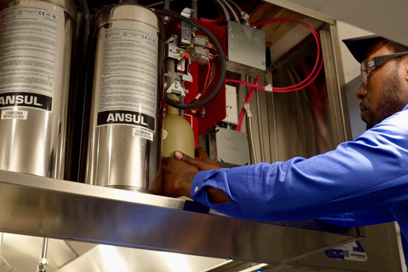
BattleGround Fire Protection KH Semi Annual Inspections New Image

Semi-Annual Inspections

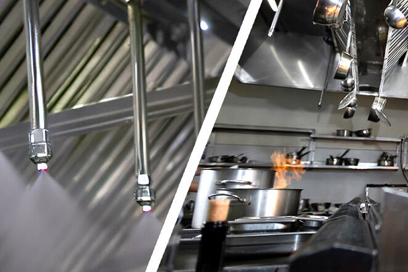
The comprehensive inspections required every 6 months by NFPA 96 and local fire codes. We check all components of your kitchen suppression system including detection lines, cylinders, nozzles, and manual pull stations.
BattleGround Fire Protection KH System Discharge Testing New Image

System Discharge Testing

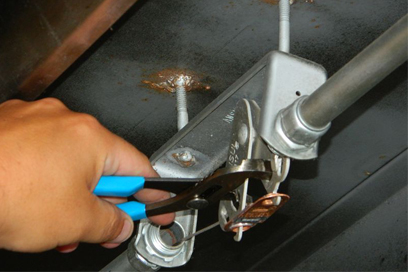
Verification that suppression agent will properly discharge when activated. This test is conducted at specific intervals based on system type and manufacturer requirements.
BattleGround Fire Protection KH Fusible Link Replacement New Image

Fusible Link Replacement

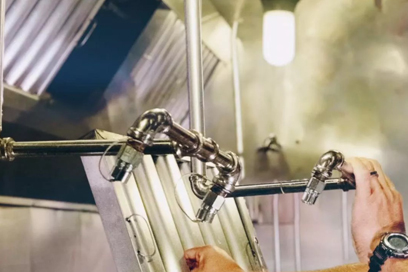
Replacement of heat-sensitive links that activate the system. These typically need replacement every 6 months to ensure reliable operation.
BattleGround Fire Protection KH System Recharging New Image

System Recharging

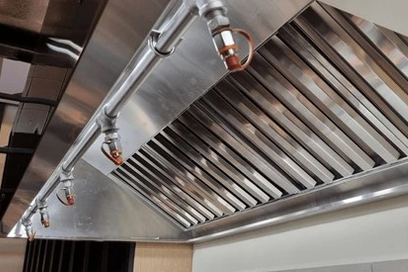
Prompt recharging of systems after discharge testing or actual activation. We restore your system to full operational status quickly.
BattleGround Fire Protection KH Hood Cleaning Verification New Image

Hood Cleaning Verification

While actual hood cleaning is typically handled by specialized cleaning services, we verify that hoods and ducts have been properly cleaned to reduce fire hazards.

Why Kitchen Hood Inspections Matter

Restaurant kitchen fires are among the most dangerous and costly fires that can occur in commercial buildings. They spread rapidly, produce intense heat, and can be extremely difficult to extinguish with conventional methods.

Your hood suppression system is designed specifically to tackle grease fires using specialized agents that both cool the fire and prevent re-ignition. But these systems only work when properly maintained.

Regular inspections ensure:

System Reliability

Components are checked to verify they’ll function properly during a fire. Fusible links, detection lines, and discharge nozzles all need regular inspection and maintenance.

Code Compliance

Semi-annual inspections are required by fire codes. Failure to maintain proper inspection records can result in citations, fines, or even business closure.

Insurance Requirements

Most insurance policies require regular inspection and maintenance of fire suppression systems. Lapses in maintenance could affect coverage in the event of a fire.

Kitchen Safety

Beyond compliance, these inspections identify potential fire hazards before they cause a dangerous situation. This helps protect your staff, customers, and property.

Our Inspection Process
When we inspect your kitchen hood fire suppression system, we follow these steps:
BattleGround Fire Protection Finding Your Risks Iocn

System Check

System Check

We inspect all components of the suppression system including the agent cylinder, distribution lines, nozzles, detection lines, and manual pull stations. We verify that the system is properly armed and ready to activate.
BattleGround Fire Protection Making Sense of the Rules Icon

Coverage Verification

Coverage Verification

We make sure all the nozzles are still pointed at the right equipment. You’d be surprised how often people move stuff around in the kitchen without telling anyone. Seems like every other restaurant we check has swapped fryers or added a new grill without updating their system. That’s asking for trouble because those new pieces won’t be protected.
BattleGround Fire Protection Drawing Up Plans Icon

Fusible Link Inspection

Fusible Link Inspection

We examine and replace fusible links as needed. These heat-sensitive components are designed to melt at specific temperatures to trigger system activation. They can be affected by grease buildup and need regular replacement.
BattleGround Fire Protection Getting Permits Icon

Manual Pull Station Testing

Manual Pull Station Testing

We verify that manual activation stations are accessible, properly labeled, and functioning correctly. These allow staff to manually trigger the system if needed.
BattleGround Fire Protection Making Sense of the Rules Icon

Coordination with Equipment

Coordination with Equipment

We check that the system will properly shut off fuel and power to cooking equipment when activated. This critical function helps prevent re-ignition after suppression.
BattleGround Fire Protection Putting It All In Icon

Documentation

Documentation

We provide detailed inspection reports and update system tags to show current inspection status. This documentation is essential for fire marshal inspections and insurance requirements.

Common Kitchen Hood System Issues

Based on our experience inspecting hundreds of Houston restaurant kitchens, here are the problems we find most often:
Kitchen equipment gets moved without updating suppression nozzle coverage. This is super common and creates a dangerous situation where parts of your cooking line aren’t protected. Always call us before rearranging equipment.
Many restaurants fall behind on required semi-annual inspections. This puts the business at risk of code violations and creates safety hazards. We can help get your system back on a regular inspection schedule.
These heat-sensitive links need regular replacement, but they’re often overlooked. Old or grease-coated links may fail to activate the system during a fire. We replace these links during every inspection.
Pull stations sometimes get blocked by equipment or inventory, making them inaccessible in an emergency. We verify proper access and function of these critical backup activation devices.
Incomplete hood cleaning affects fire safety and system function. We often find systems where the hood cleaning service hasn’t been thorough enough. We can recommend reliable cleaning services that meet code requirements.

Why Choose BattleGround Fire Protection?

BattleGround Fire Protection provides comprehensive fire protection services for commercial, industrial, and multi-family properties throughout Houston.

Integrated Approach Icon

Certified Technicians

Our inspectors are certified for kitchen suppression systems and understand the unique requirements of these specialized systems.
Experienced Team Icon

Restaurant Experience

We’ve worked with hundreds of Houston restaurants and commercial kitchens, from small cafes to large institutional facilities.
Code Compliance Icon

Minimal Disruption

We coordinate inspections to minimize interference with your kitchen operations, often working during off-hours to avoid business disruption.
fire extinguisher 2

Comprehensive Protection

We handle all your fire protection needs, including fire extinguishers, sprinkler systems, and fire alarms. One call covers all your fire safety requirements.

agreement(4) 1

Emergency Service

If your system discharges or needs urgent attention, we provide rapid response to get your kitchen back in operation quickly.

Reviews

Check out what clients say about us in our reviews. Our commitment to quality service has earned us a strong reputation

Frequently Asked Questions

Inspection Requirements

How often do kitchen hood systems need inspection?

Semi-annual inspection (every 6 months) is required by NFPA 96 and local fire codes. Some components like fusible links need replacement during each inspection.

Who can perform kitchen hood inspections?

Only qualified technicians certified for kitchen fire suppression systems should perform these inspections. Our technicians have specific training and certification for restaurant systems.

Is hood cleaning the same as system inspection?

No, they’re different services. Hood cleaning removes grease buildup from hoods, ducts and fans. System inspection checks the fire suppression equipment. Both are necessary, but typically performed by different companies.

Do I need to close my kitchen during inspection?

Not necessarily. Many inspection tasks can be done during slow periods. Some tests might require brief equipment shutdown. We work around your schedule to minimize disruption.

System Operation & Maintenance

How does a kitchen hood fire suppression system work?

These systems use special detection lines or fusible links that activate when they detect excessive heat. Once triggered, the system discharges suppression agent through nozzles aimed at cooking equipment, while simultaneously shutting off fuel sources.

What happens when the system discharges?

The system releases fire suppressant over cooking equipment and automatically shuts off gas and power. This stops the fire and prevents re-ignition. After discharge, the kitchen needs to be cleaned and the system recharged before resuming cooking.

How long does recharging take after a discharge?

With prompt service, we can typically recharge a system within a few hours. Keeping spare cylinders on hand can speed up the process for busy restaurants where downtime is costly.

What causes most kitchen suppression system failures?

Common issues include improper maintenance, moved equipment that’s no longer under nozzle coverage, damaged detection lines, and grease buildup affecting system components. Regular inspections catch these problems before they cause system failure.

Common Issues & Costs

How much does kitchen hood inspection cost?

Inspections typically cost $150-300 depending on system size and complexity. This includes basic fusible link replacement. Additional parts or repairs would be extra. Regular maintenance is much less expensive than emergency repairs.

What happens if my system fails inspection?

We identify and document all deficiencies, explaining what needs to be fixed. Minor issues can often be repaired immediately during the inspection visit. Major problems might require scheduling follow-up service.

Do I need to replace the entire system if it's outdated?

Not necessarily. Many older systems can be updated or retrofitted to meet current codes. If a system is severely outdated, replacement might be more cost-effective than extensive modifications.

How do kitchen remodels affect my suppression system?

Any changes to cooking equipment layout, type, or location will likely require modification of the suppression system. Always consult with a fire protection professional before rearranging kitchen equipment.

Contact BattleGround Fire Protection

Looking for a trusted fire protection company in Houston? Contact BattleGround Fire Protection today to arrange service for your restaurant.

Don’t risk a kitchen fire or code violations. Make sure your suppression system will work when you need it most.

Service Areas

BattleGround Fire Protection provides Kitchen Hood Inspections services throughout the Greater Houston area, including:

We get fire protection. Our team knows what works for Houston businesses, from downtown offices to Ship Channel factories. We design, install, and service sprinkler systems to meet your exact needs.